Back to case studies
Polar Semiconductor Cuts 40 Miles of Manual Material Transport with LD Series AMRs


Digital

Transport

LD-60/90
Improving productivity and workforce efficiency through autonomous logistics
Polar Semiconductor, a U.S.-based chip manufacturer serving the automotive and white goods industries, faced a major internal logistics challenge. Across each product’s lifecycle, material transport within the facility added up to more than 40 miles. This repetitive manual movement slowed production flow and pulled skilled employees away from critical operations at a time when qualified labor was increasingly difficult to find.
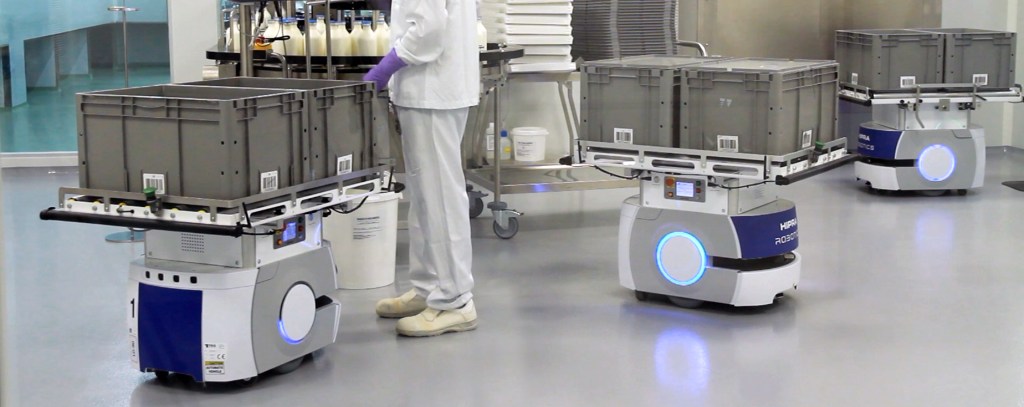
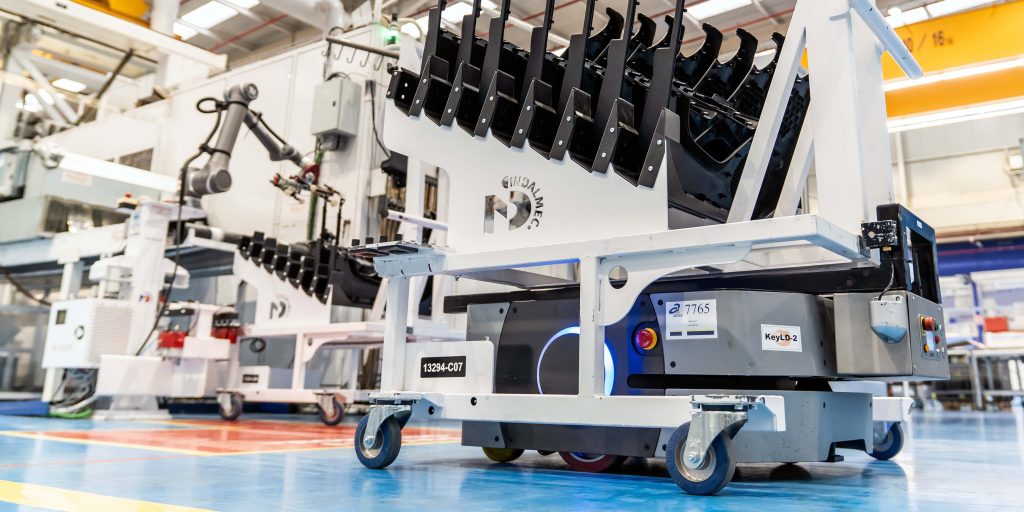
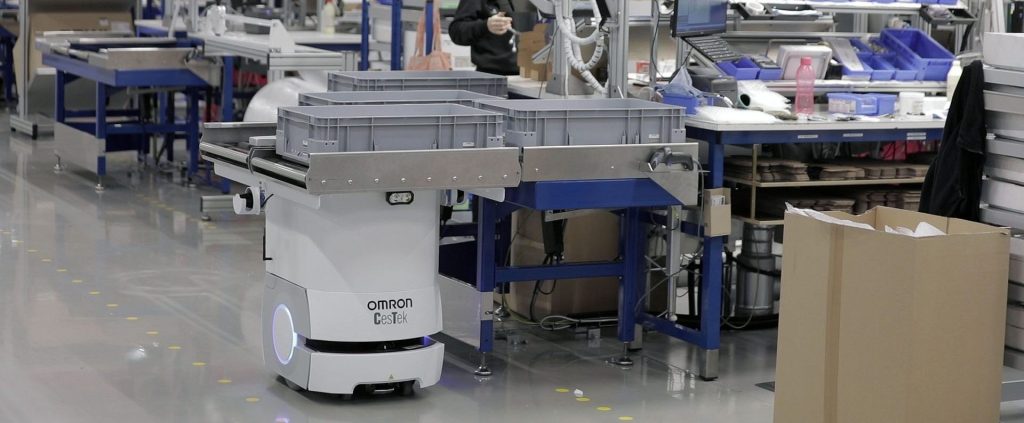
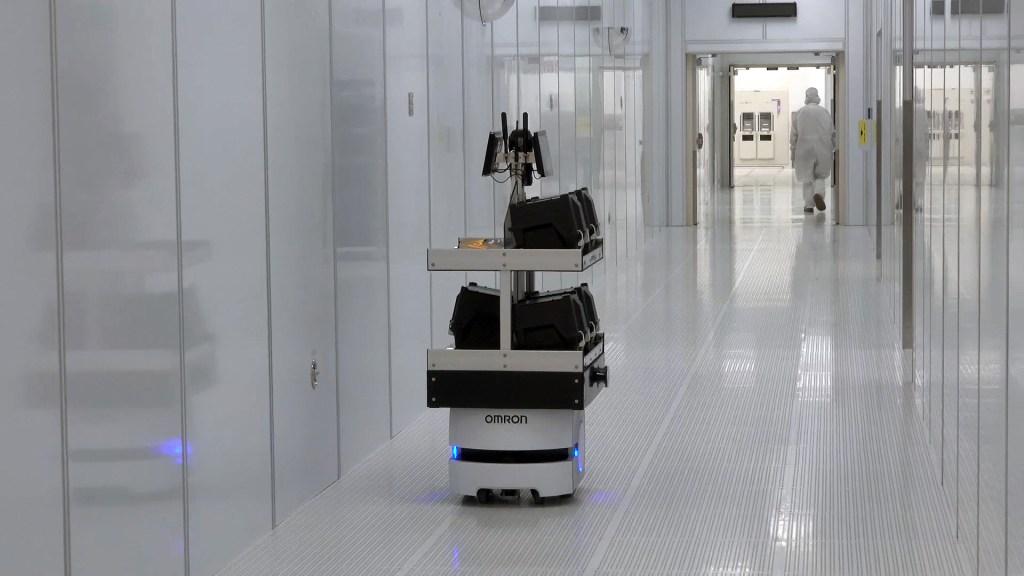
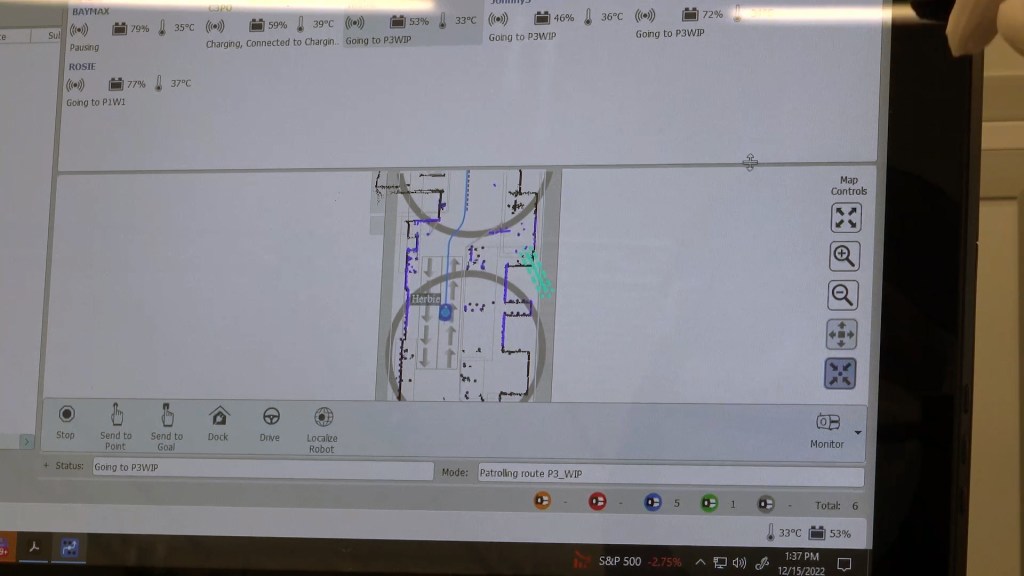
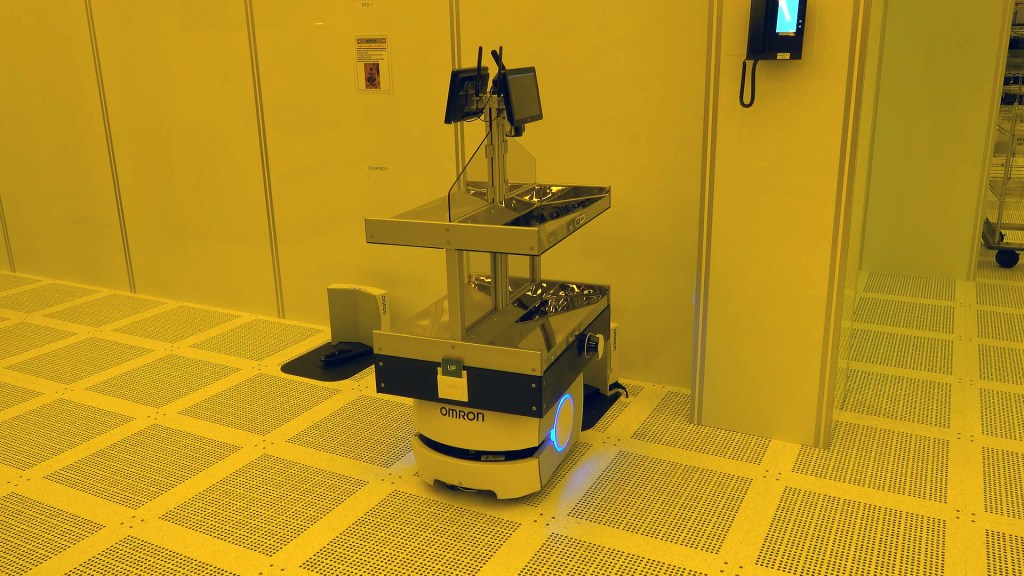
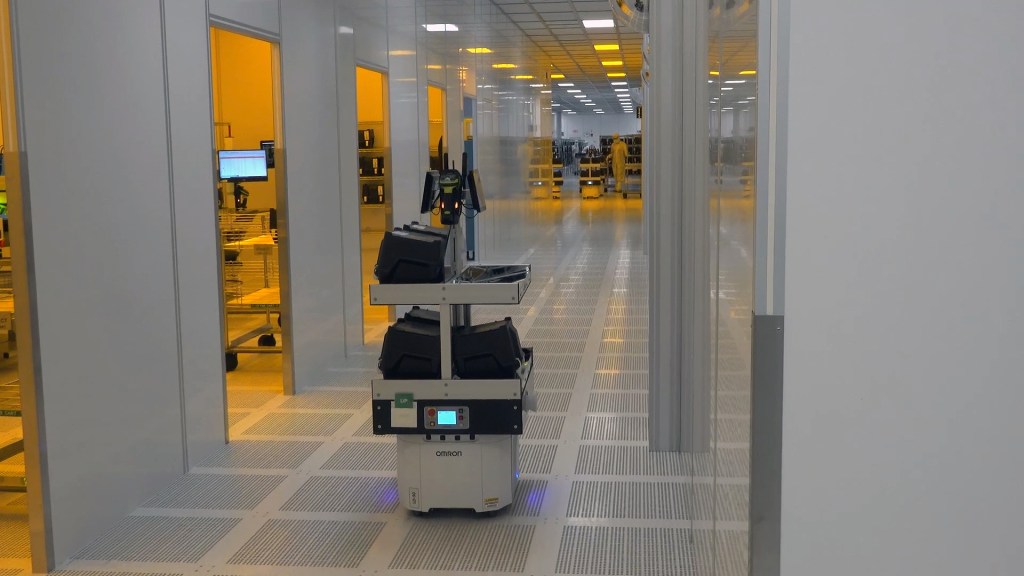
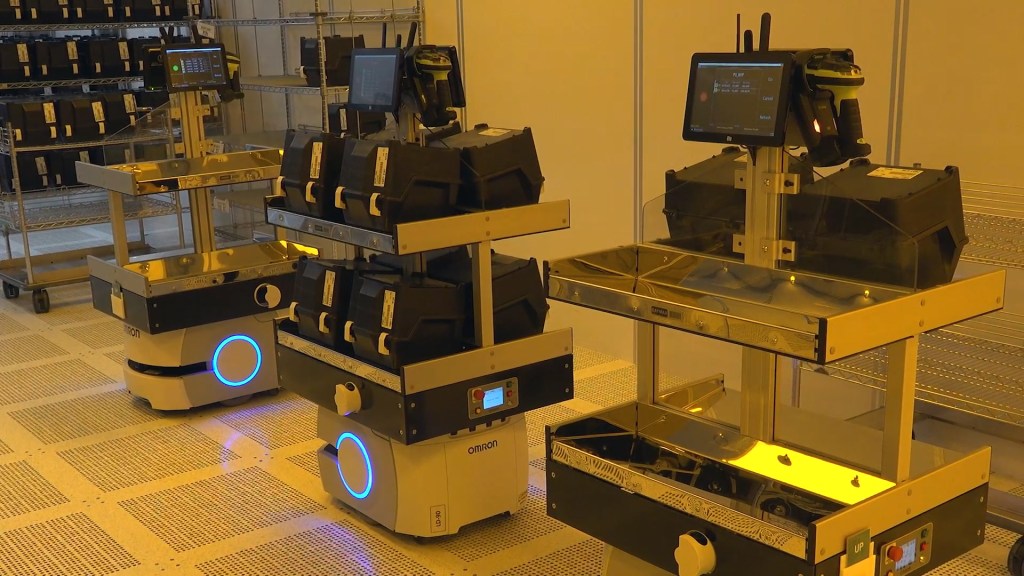
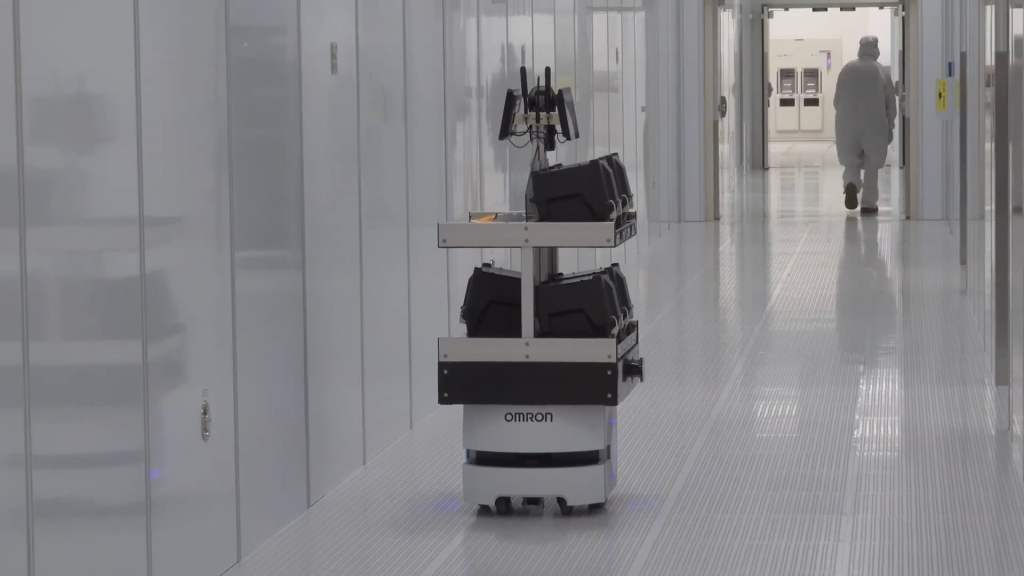
To reduce these inefficiencies and support facility expansion, Polar Semiconductor partnered with OMRON to implement a flexible automated material handling solution. After detailed mapping and simulation of the facility, Polar deployed a fleet of seven OMRON LD-60/90 Autonomous Mobile Robots (AMRs). The AMRs autonomously navigate complex, dynamic factory environments, transporting materials from central storage to production lines and helping keep equipment supplied without relying on constant manual movement.
The change helped create a smoother, more consistent flow of materials across the facility. By reducing long-distance walking and repetitive transport tasks, operators were able to spend more time on higher-value production work. Early concerns around operator acceptance also shifted as employees began to see how the AMRs could support their daily routines and reduce unnecessary travel.
With automated material handling in place, Polar Semiconductor improved internal logistics while creating a more scalable approach to material movement. The system supports productivity across the facility and gives the team greater flexibility as production needs evolve.
Watch Polar Semiconductor’s story:
“Having these robots available to move work-in-progress quicker, easier, without relying on operators to move from the equipment they’re working on. The biggest advantage I’ve seen is that we’ve been able to have the robots maneuver more like a person does.” — Darren Desmarais, Industrial Engineer, Polar Semiconductor
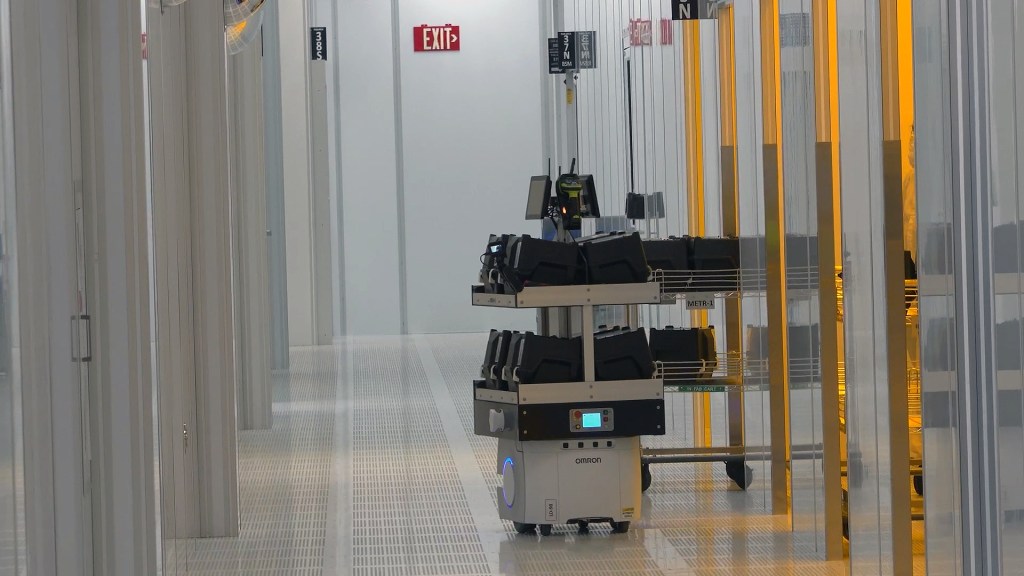

Results at a glance:
- More than 40 miles of internal material movement automated per product lifecycle
- Seven AMRs deployed for autonomous material transport
- Operators redirected to higher-value production tasks
- Improved material flow and productivity across the facility
- Scalable logistics approach to support future operational needs
Practical automation for internal material transport
Polar Semiconductor’s use of LD Series AMRs shows how manufacturers can reduce repetitive transport work, improve material flow, and make better use of skilled labor. If your team is exploring ways to improve internal logistics or reduce manual transport demands, we can help identify an automated material handling approach that fits your facility, workflow, and production needs.
Back to case studies

Book a consultation