Back to news
OMRON Robotics at AUTOMATE 2026
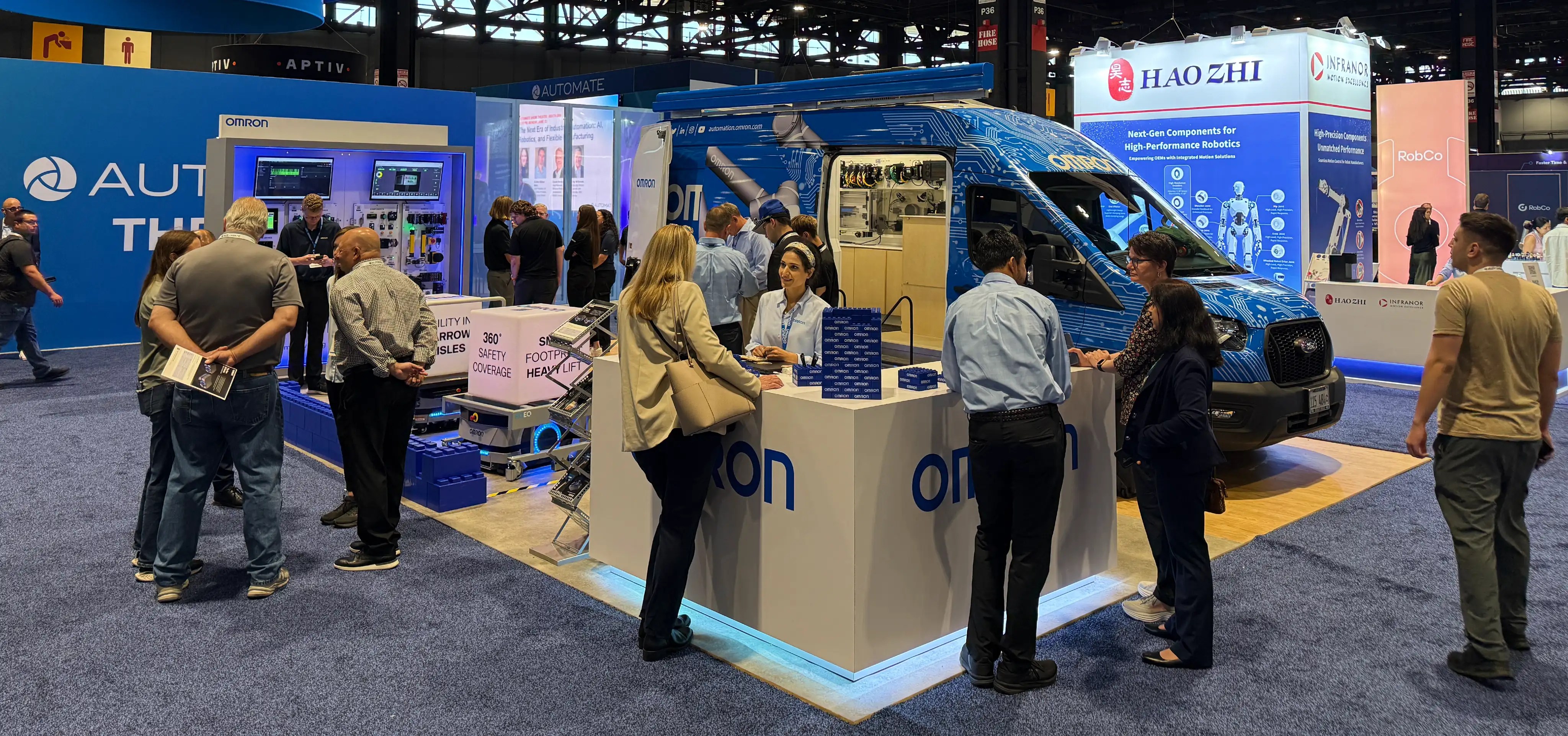
What we’re taking forward from Automate 2026
Automate 2026 made one thing clear: manufacturers are thinking beyond isolated automation projects. The focus is shifting toward systems that connect, adapt, and scale within the realities of day-to-day operations.
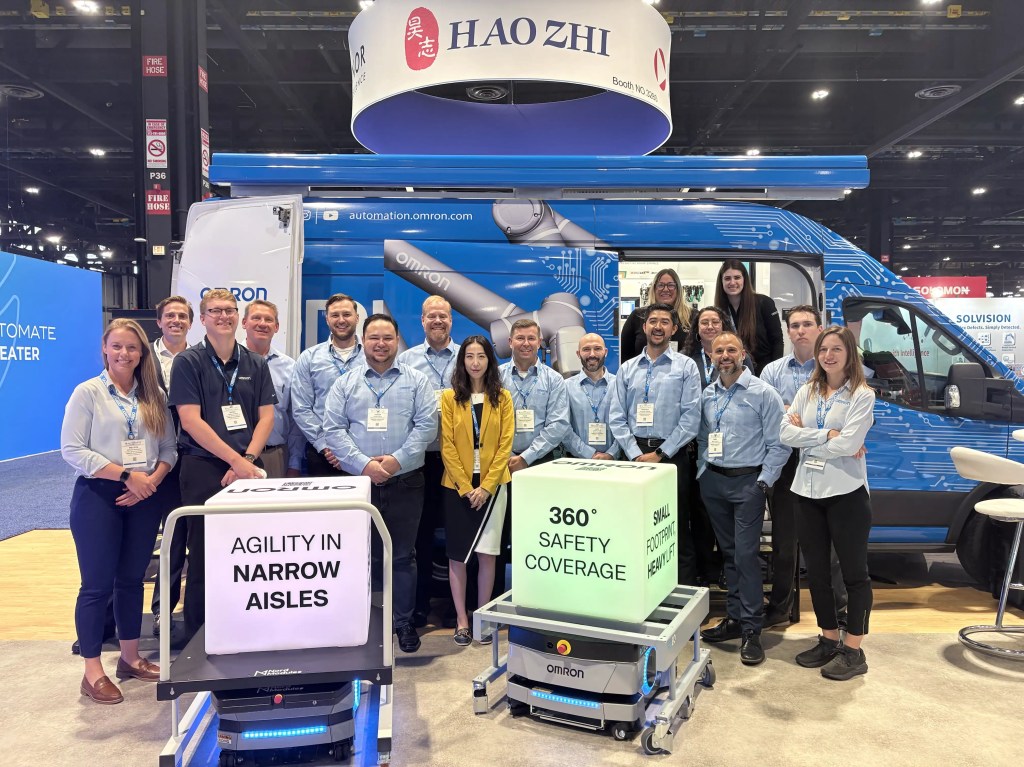
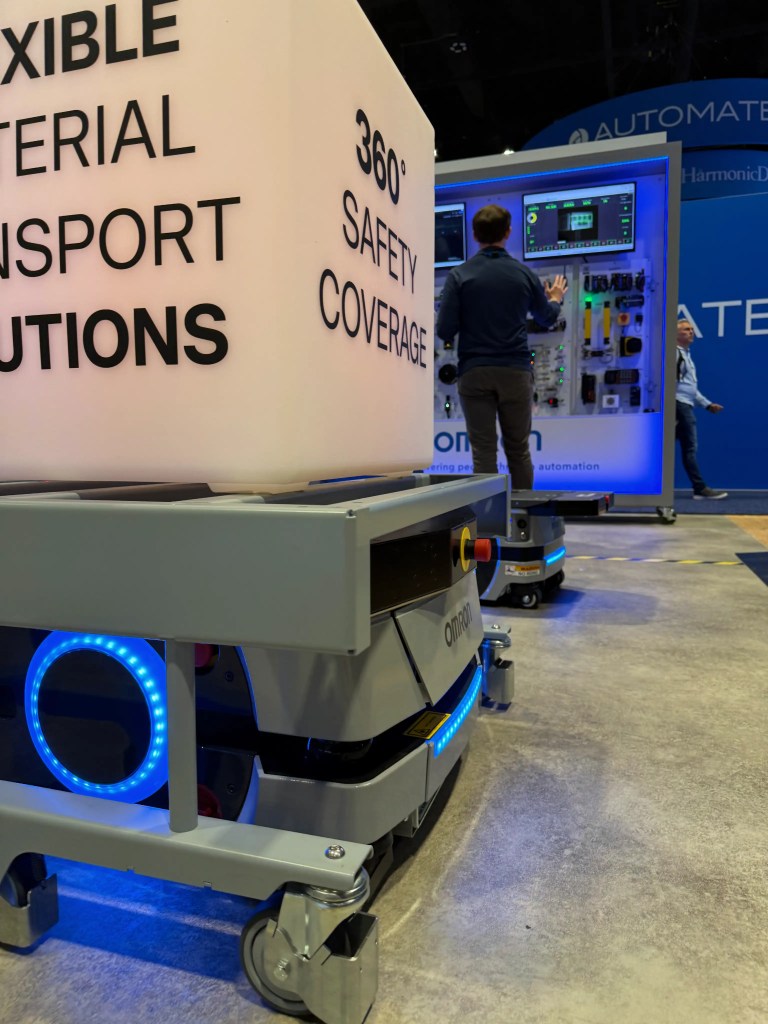
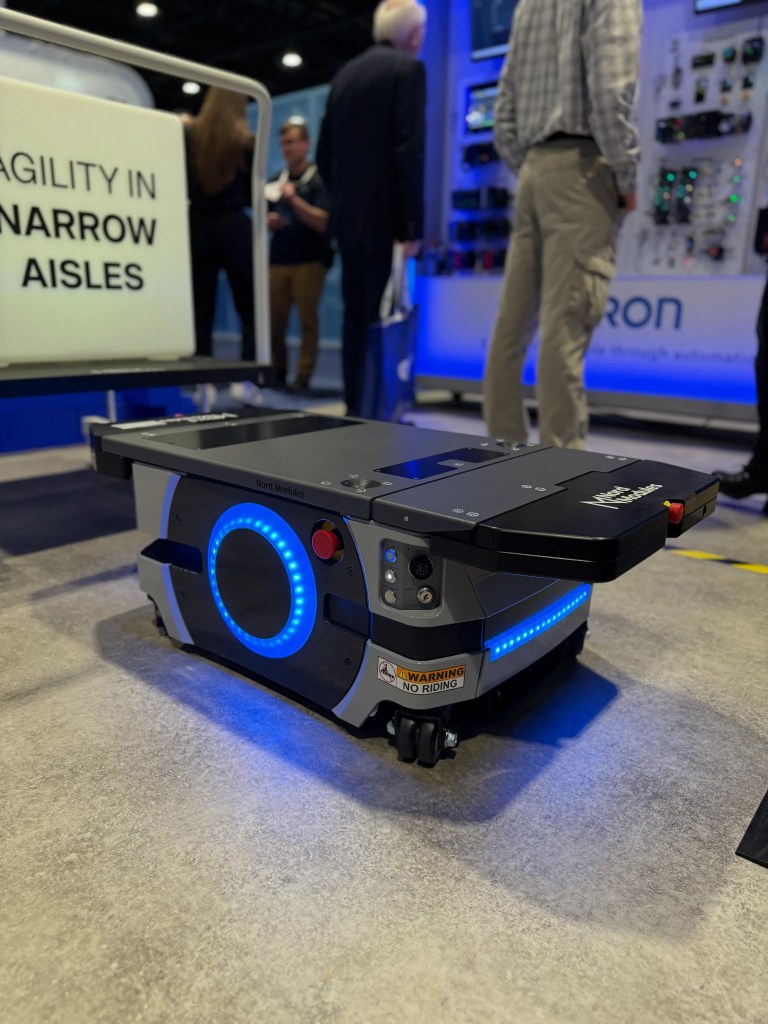
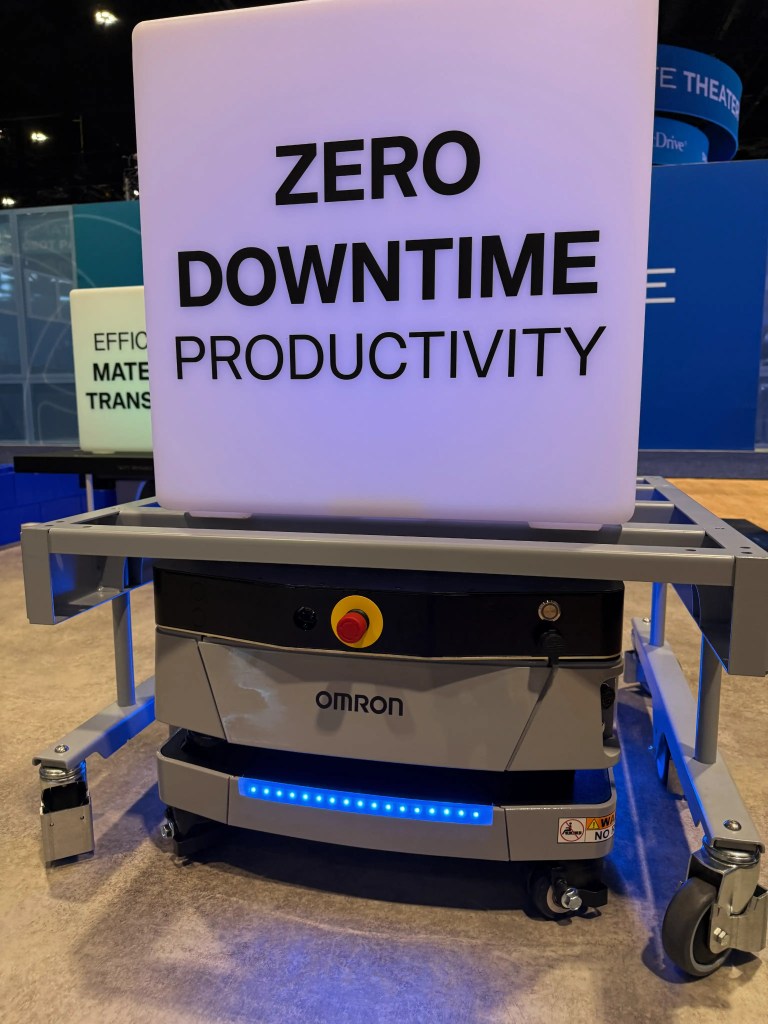
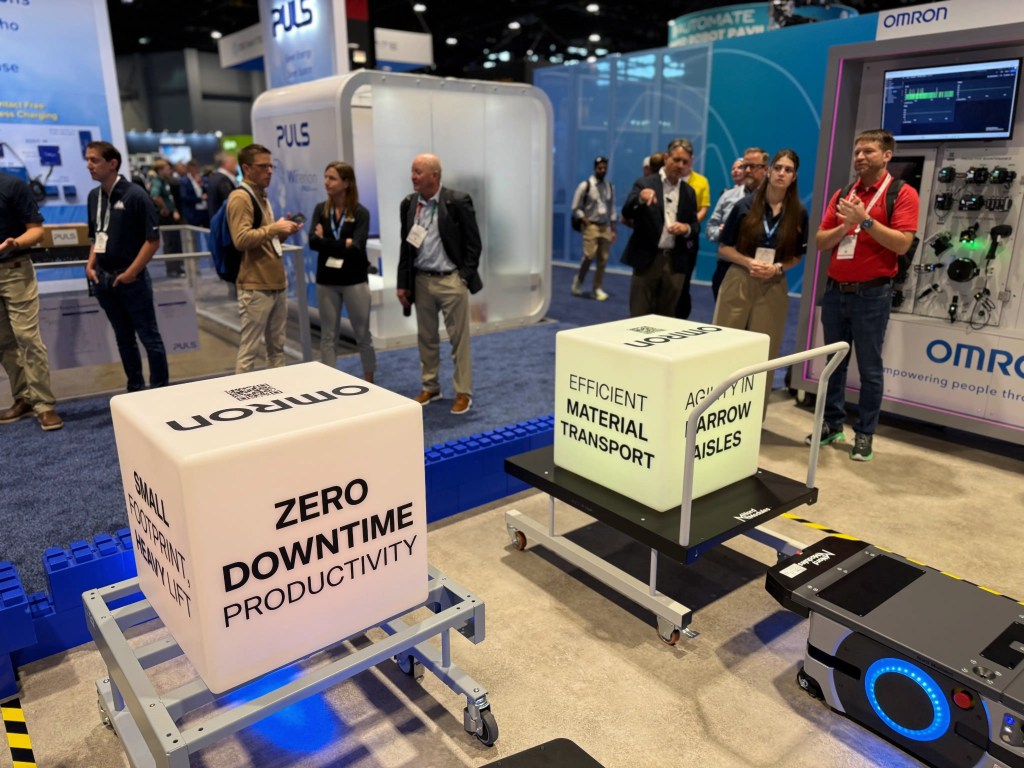
At the show, we showcased the all-new LD-150 and LD-300, the next generation of our flagship LD Series AMRs. Designed for higher-throughput material transport, the new LD Series moves heavier loads with less downtime and gives operations teams more flexibility in how materials flow across the floor.
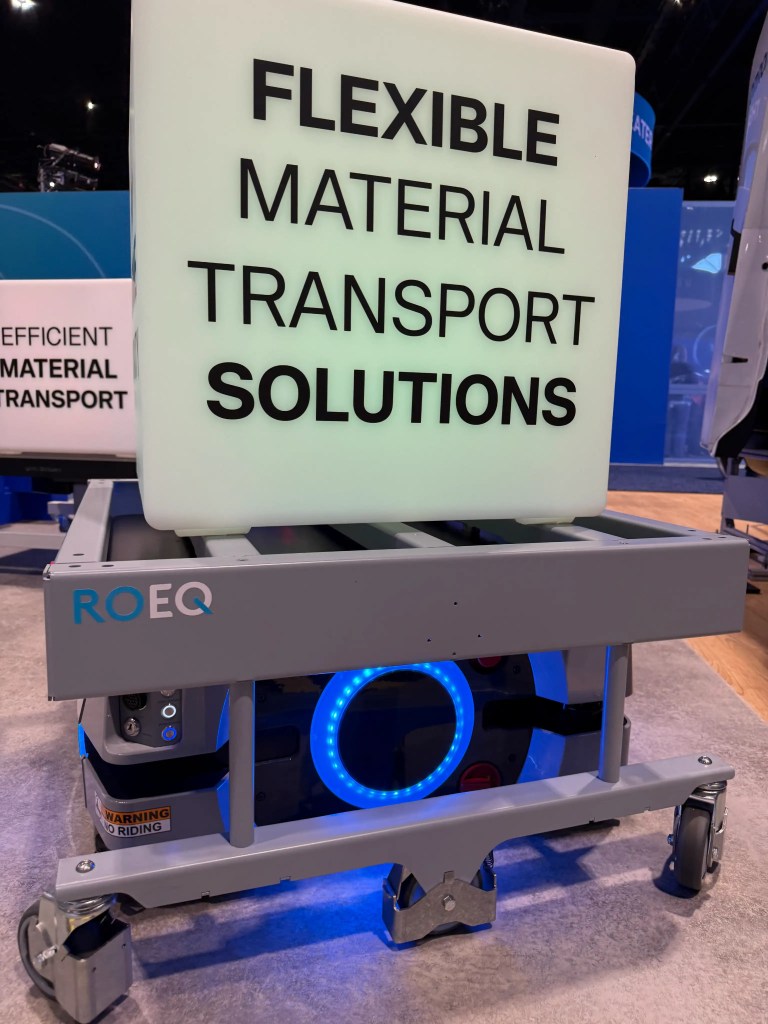
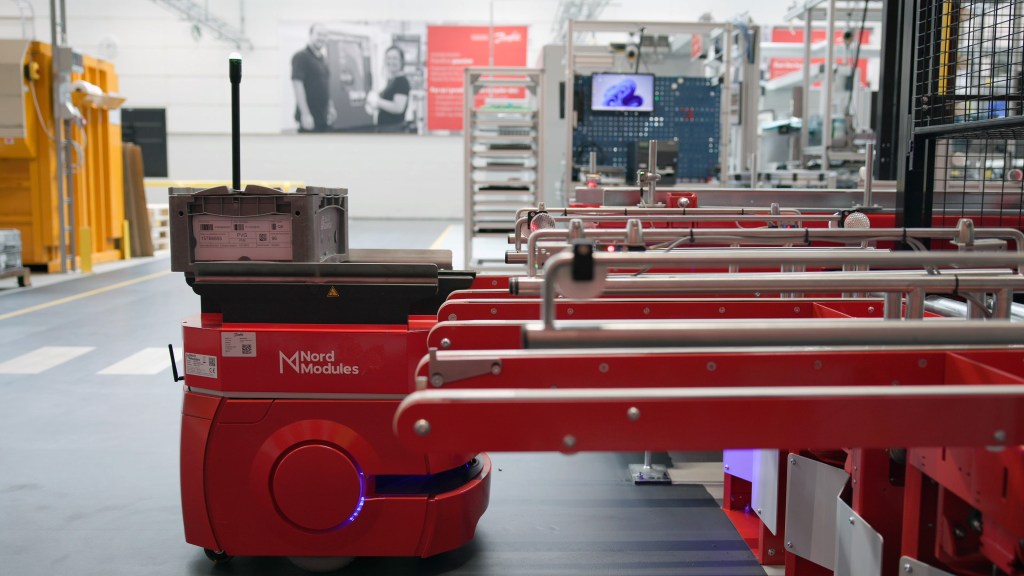
Paired with topper technologies from ROEQ and Nord Modules, the LD-150 and LD-300 showed how mobile robots can be configured to specific material handling workflows in manufacturing and intralogistics environments.
A closer look from the show floor
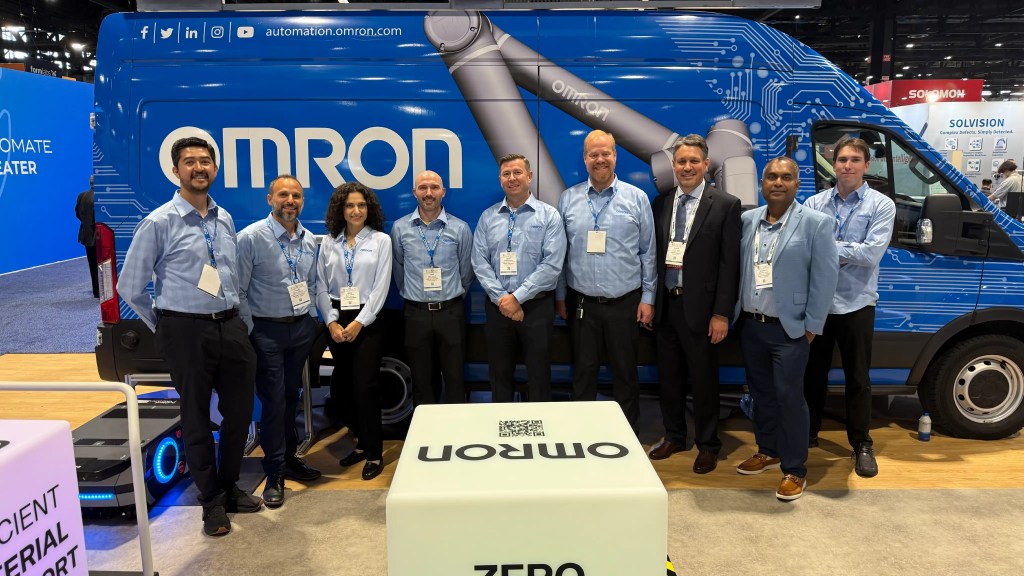
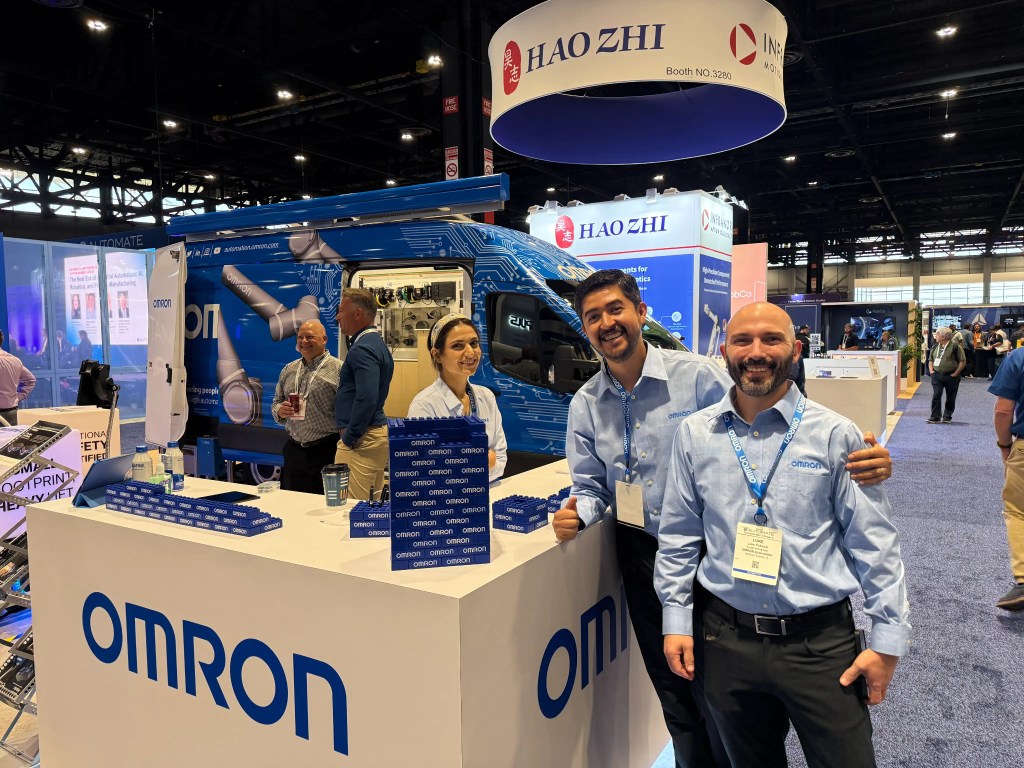
WGN Morning News selected our booth for a closer look at what’s next in industrial automation.
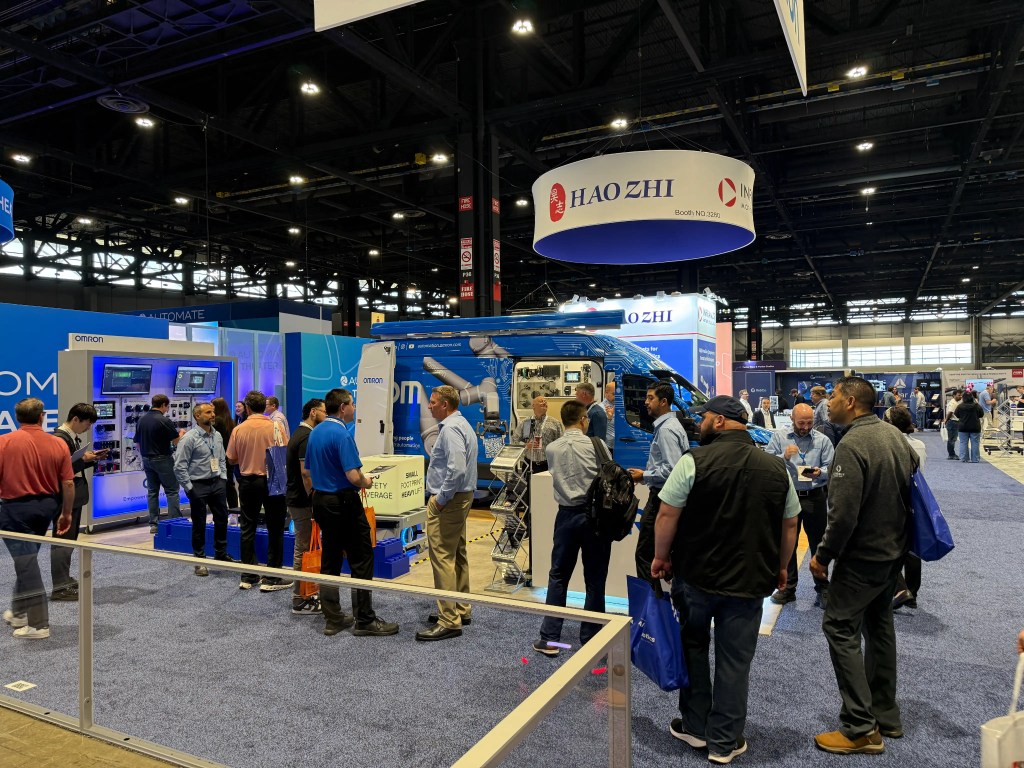
The strong interest in mobile robotics reflected a broader theme we heard throughout the show: material transport remains one of the most immediate opportunities for manufacturers to improve efficiency.
Visitors wanted to understand where AMRs can reduce manual transport, relieve bottlenecks, and keep materials moving between production areas, storage, workstations, inspection points, and other automated systems.
That conversation is expanding beyond point-to-point movement. Mobile robots are increasingly being evaluated as part of a larger material flow strategy, where routing, fleet coordination, safety, and integration all play a role in long-term performance.
That shift aligns with OMRON’s approach to mobile robotics: practical solutions designed to keep materials moving safely, efficiently, and in sync with production.
Key takeaways from Automate 2026
- Automation strategies are becoming more connected, coordinated, and workflow-driven
- Material movement remains one of the biggest opportunities to improve throughput and reduce operational friction
- AMRs are increasingly viewed as part of a broader material flow strategy, not standalone transport tools
- AI is moving closer to real operations, supporting routing, coordination, perception, and decision-making on the floor
- Integration, safety, and human-machine collaboration are now baseline expectations for scalable automation
Automation in context
What stood out at Automate 2026 was not only the pace of technology development, but the way manufacturers are reframing automation decisions around operational fit. The conversation is increasingly centered on how automation fits into the larger production environment, from flow and integration to safety, intelligence, and long-term adaptability.
That shift reflects a practical reality on the factory floor. Automation has to work inside environments that are already moving, already constrained, and already connected to people, equipment, data, and production demands. Success depends on more than capability; it depends on whether automation can fit into the rhythm of production without adding unnecessary complexity.
This is where OMRON Robotics brings a systems-level perspective. AMRs are an important part of connected material flow, but they are part of a broader automation strategy that connects movement, handling, safety, software, and control. The opportunity is to help manufacturers move from isolated deployments to coordinated systems that are easier to manage, expand, and optimize over time.
The clearest takeaway from Automate 2026 is that automation maturity is becoming just as important as automation adoption. As manufacturers continue to invest in new technologies, the strongest strategies will be the ones that make those technologies easier to integrate, coordinate, and scale across the operation.
AUTONOMOUS MOBILE ROBOTS
Built to Move More in Less Space
The new LD Series moves heavier loads through tighter production spaces with greater efficiency and less downtime. Designed for flexible material transport, it keeps materials flowing where production needs them most.
Back to news

Stay connected

Related insights
See all insights
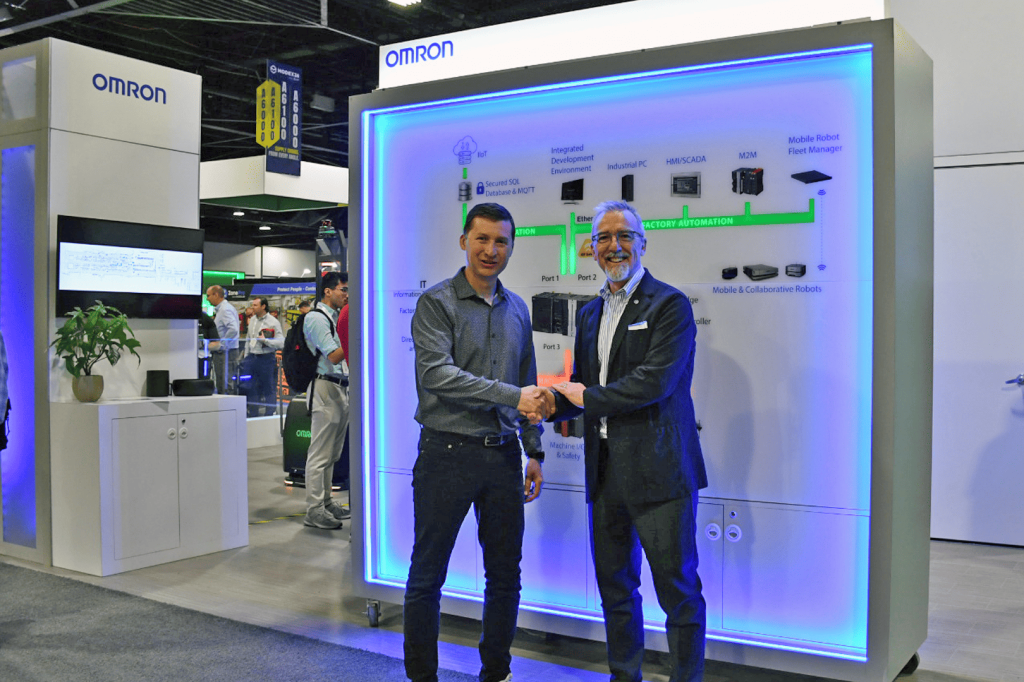
Comau and OMRON Robotics Collaborate to Accelerate Advanced Industrial Automation Across High-Growth Manufacturing Sectors

OMRON Introduces New OL-450S Mast Options for Cart Transport Automation
Danfoss Improves Warehouse Flow Without Expanding Floor Space